The Smart Switch: Why PNG is the Ultimate Solution to India’s LPG Shortage

Why PNG Is the Future of Urban Cooking Solutions in India
The kitchen in Indian households is the central point, but unfortunately, the outbreak of recent crises in West Asia and disturbances in the Strait of Hormuz have started to strain the energy resources. As almost 90 percent of India LPG imports are straining as of March 2026, the problem of delivery uncertainty has rendered the PNG vs LPG gas debate unavoidable. The decision now has a direct influence on the routine, the safety and monthly costs. With the growth in city networks, the majority of the homes are shifting towards piping which is more stable and less inconveniencing. Consciousness on maintenance such as gas pipeline repair service is also increasing and informed decisions are now more crucial as compared to the past in the urban families. In case you are thinking of switching, then this guide provides all you have to know.
Understanding PNG and LPG in India at a glance
PNG gas or Piped Natural Gas is mainly methane, which is delivered to your doorstep via a system of underground city gas distribution pipelines. Consider that it is similar to your electricity or water supply, it is never off. The amount of the bill is according to what you use each month and this is monitored using a meter.
The LPG, or Liquefied Petroleum gas, is a blend of propane and butane that is kept in metal cylinders and the gas is used for various purposes and has been the standard of Indian households for decades. Once one of the cylinders is depleted, you have to order a refill and wait until it is delivered. PNG, unlike LPG, does not use physical cylinders to supply gas but offers a continuous supply of gas. In the PNG vs LPG gas competition, PNG is always in the lead in terms of supply, leaving cylinder inconveniences

Comparing the Costs: PNG vs LPG gas for Everyday Use
The decision to use PNG vs LPG gas can affect the monthly expenditure and air quality. LPG will change according to the world markets and government subsidies as compared to PNG, which is stable in prices; hence it is easier to plan finances.
PNG networks are paid per use in the form of a meter, and thus there are no surprises. This pay-as-you-go system may be helpful in reducing bills compared to the constant price of an LPG cylinder.
We are going to look at the particular costs, both in terms of installation and daily operation next.
Installation and Setup Charges
The comparison between the PNG installation vs LPG gas is important in terms of cost when installations and setup are considered by the households. An LPG connection is fairly easy to secure, and requires cylinder deposits and regulators deposits on current infrastructure.
Conversely, PNG systems require expert pipeline routing, meter installation and safety inspection. This one-time installation will be more expensive but secure in the long-term.
Other related services such as the LPG Gas Pipeline Installation and Servicing also contribute to the reliability of users that want continuous access to kitchen fuel in the present generation of urban and semi urban areas alike.
Monthly Consumption Expenses
The cost of cooking fuel in PNG and LPG prices varies per month. Under PNG, you are charged on actual use through a meter which can be easily budgeted and billed. LPG has a fixed price of the cylinders which are prone to changes due to government policies, and oil prices, which make the costs less predictable.
The PNG bills are considerably cheaper than the LPG by many households when used under the same circumstances. According to industry estimates, monthly savings in PNG can cover the installation expenses in two-three years, hence is a better long term option.
Convenience and Performance in Indian Kitchens
Indian kitchens are influenced by convenience and performance in choosing daily cooking. The constant pipeline in the PNG also minimizes refills and waiting time, hence making routines run smoothly with an uninterrupted supply; fueling the current PNG vs LPG gas debate among the families.
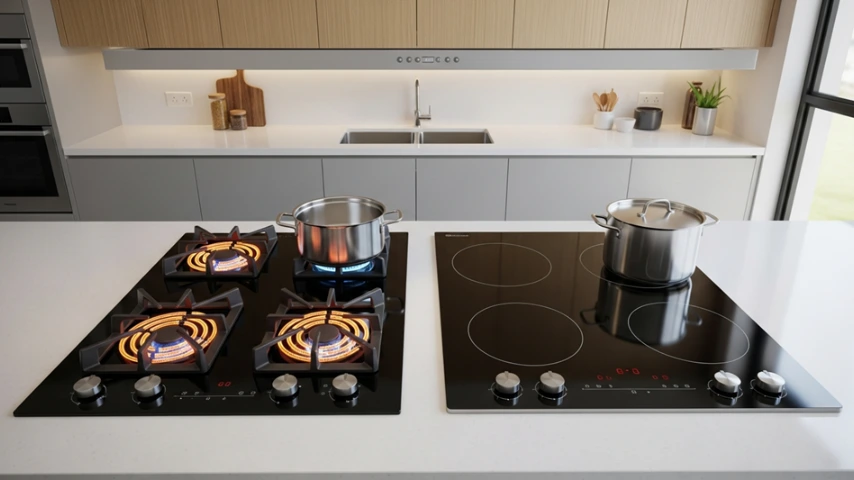
Combined with the appropriate gas stove and a Hob, the user gets appropriate flame regulation, smooth heating, maximized efficiency, which makes living more comfortable, time-saving, and overall convenience in modern kitchens today.
How PNG Pipelines Transform Daily Cooking
Piped Natural Gas (PNG) is a change in how people cook on a daily basis as they can now have a 24/7 supply of fuel that runs through an uninterrupted pipeline system into their kitchen. It also removes the old manual problems of handling the cylinders, and the cooking process becomes more convenient, secure, and economical.
Here's how PNG improves the cooking experience:
· No more running out of gas mid-meal.
· Frees up kitchen space previously used for cylinder storage.
· Simplified, transparent billing similar to other utilities.
Flexibility and Practicality of LPG Cylinders
LPG cylinders are flexible since they are easily portable and can be stored easily, and can be used at home, vehicles and at locations that have no access to pipelines. The fact that they are easily installed, reliable in energy production and can be refilled make them practical. They accommodate various requirements such as cooking, heating, need very little infrastructure and offer a convenient and affordable fuel to urban and rural users today across the world.
Why Indian Homes Are Switching to PNG
The shift of PNG to LPG is not sudden, but is adopted in Indian homes. In the comparison of PNG vs LPG gas, piped gas can be used as it can provide a continuous supply of natural gas without any refill stress. Expanding networks enhance the accessibility, and in-built safety systems eliminate risks. In the long run, PNG is a smarter, reliable, everyday fuel option because this pricing and convenience is a better option in the households of the cities nowadays.
Let’s explore the reliability of this modern fuel source.
Reliability of Supply and Reduced Shortage Issues
Reliability is also the factor that will make the difference between PNG vs LPG gas when it comes to households. PNG provides a continuous gas supply by pipelines, eliminating the vagaries associated with cylinders replenishment. As opposed to LPG, waiting periods do not exist, last minute shortages do not exist and there is no reliance on booking systems.
This constant supply from storage facilities will guarantee that there will be no interruption in the cooking and heating process, even at the peak. Households enjoy the advantages of availability that is constant, enhanced convenience, and enhanced planning. This change will make the kitchen experience of busy families less hectic and easy going with no stress at all in the kitchen daily.
A Smooth and Efficient Shift from LPG to PNG
Changing from an LPG gas connection to a PNG gas system is really not difficult. For the most part, PNG users won't require a new stove; the LPG stoves a person is using currently can be reasonably set up for the PNG use.
Since it involves safety, a conversion done by an authorized technician only will be able to add little changes so that they match PNG's different properties and pressure.
Here are the simple steps for this simple transition.
Steps for Converting Your Existing Stove
If you decide to make the change to PNG, a technician can do this stove conversion for you in no time. Never try this on your own, you should always get an authorized technician from your gas provider.
The technician will do it all: piping the gas into your kitchen, setting up the PNG meter, and modifying the stove.
The only major change is replacing burner nozzles-LPG stoves have smaller holes for the high pressure whereas PNG requires bigger holes for the lower pressure.
Generally, the conversion will include:
· Getting an authorized technician to schedule a visit
· Changing burner jets to be compatible with PNG
· Adjusting air intake to get a clean, blue flame
· Doing a safety test for leaks
Afterwards, your stove will operate efficiently and safely after this new connection to PNG.
What You Need for Easy Installation
Getting a new PNG connection is easy. Once you confirm availability and apply, the company schedules a visit. The installation team lays the pipeline, installs the meter, and connects your stove, following strict safety standards set by the Indian government. PNG’s low pressure ensures safe and simple internal piping.
To ensure a smooth installation:
· Provide clear access for technicians to lay the pipeline.
· Have your stove ready for conversion.
· Ensure an adult is home during the scheduled time.
The technicians will perform a thorough safety check before leaving to ensure everything is working correctly. And if you ever face any issues, you can easily find a gas pipe line repair near me service.
Conclusion
Moving to PNG is now more than a trend, but a realistic solution to supply uncertainty and increasing costs in India. The PNG vs LPG gas option is quite obvious with regard to reliability and continuous supply, and predictability in monthly costs. There are no refills, no unforeseen deficits and the safety is improved, which simplifies daily cooking. Installation requires initial planning but it is not worth it in comparison to long-term benefits and convenience. To the urban homes, PNG offers a smarter, stable as well as future-ready cooking solution that is consistent with modern demands and current emerging energy issues in India today.
Frequently Asked Questions
Is it possible to change the existing LPG gas stove to PNG?
Most LPG stoves can be converted to work with PNG systems pretty straightforwardly - you just need to swap the nozzle for one that can handle the different pressure. Just make sure it's done by a properly qualified technician from your gas provider - they're the only ones who can guarantee it's done right, and safe.
Does going with PNG save me more cash in the long run than sticking with LPG?
Yes, in the end, PNG is usually the better deal financially. You only pay by the actual consumption and prices are not volatile as the cost of LPG. The higher costs of installations can be offset because of the reduced monthly bills, which will save a majority of the households much money in the long run.
PNG versus LPG cylinders in home kitchens: Which is safer?
PNG is safer due to the fact that it is lighter than air and dissipates fast whenever leaked unlike LPG, which is capable of accumulating. PNG systems are also operated at lower pressure and have safety valves and leak detectors to enhance high safety compliance.