Why Appliance Service Centers Are Tracking Semiconductor Industry India Growth

How India's Semiconductor Industry Can Improve Spare Parts Availability
From a $38 billion industry in 2023 to an expected $100-$110 billion in 2030, the semiconductor industry in India is witnessing unparalleled growth along the semiconductor value chain. For consumers, the most surprising thing about this is the real-life benefit, such as appliance service outlets being unable to find replacement chips for their refrigerators, washing machines, and ACs. India's engagement in making semiconductors at home, including developing Intellectual Property related to semiconductors, has a ripple effect on the country, even if the country eats up nearly 20 percent of the world's microchip output; be it the time it takes to repair a washing machine or fix a car that ails in the middle of an assignment or a power outage that holds up half the state.
In this post, we will see how the India semiconductor industry transformation impacts the appliance service center, the semiconductor supply chain with respect to serviceability, and what the talent pool means to the consumer when buying and servicing consumer electronics and home appliances.
Semiconductors in modern home appliances
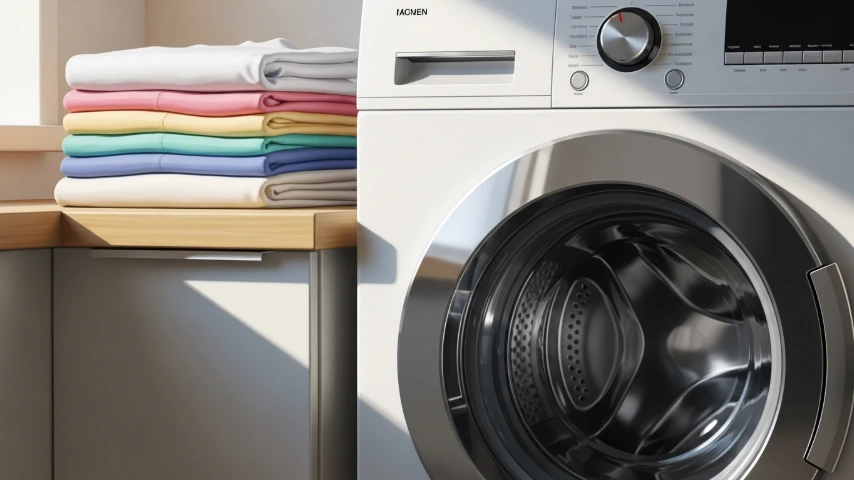
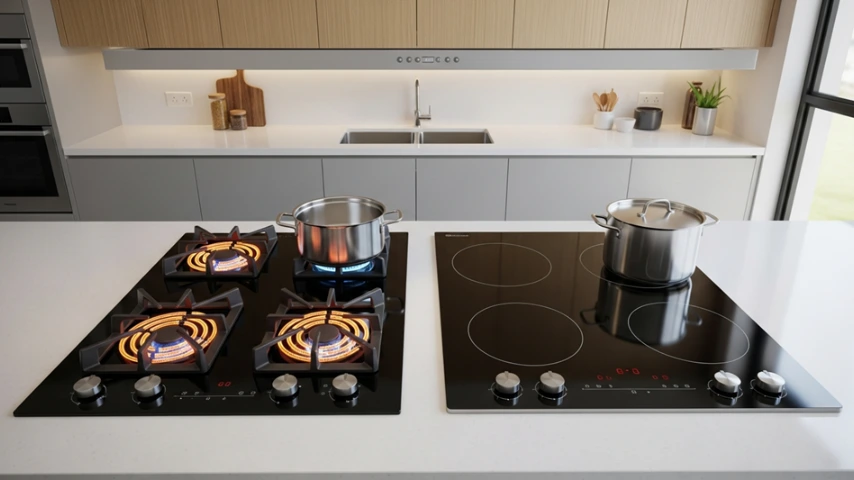
Today circuit boards can be found, not mechanical parts, on the right hands of all appliance servicers. Even everyday household appliances are much different today because of the revolutionary nature of semiconductors: The Tata Group's advancements in outsourced semiconductor assembly technology have influenced the white goods found in many kitchens, which now have several semiconductors inside to control their operation, reflecting the steady growth of the semiconductor industry India and the influence of the same on modern gadgets made for the everyday people.
Common semiconductor components in appliances
Semiconductors are used in everyday appliances, with the private sector playing a significant role in their development, further strengthening the growth of the semiconductor industry India ecosystem. Two or more chips are used in simple appliances such as toasters and coffee makers to control temperature and time. Additionally, these components are integral to critical global supply chains for smart technology, as there are approximately five chips needed for security and authentication for smart door locks. Nearly 10 chips control connections in Wi-Fi routers.
MOSFET or IGBT are power conversion devices used by semiconductor firms that reduce losses in apartments' appliances, such as refrigerators, air conditioners and washing machines. They are controlled by microcontroller - the brain, with support from the Ministry of Electronics. High reliability and performance with power management chips, motor control chips and communication chips.
How chips control appliance functions
An air conditioner's temperature sensor is a semiconductor based sensing device. Because semiconductors can have very precise control over temperature, rice cookers and semiconductor manufacturing units can have just the right temperature to ensure supply chain resilience, a capability which still continues to enable the development of the semiconductor industry India ecosystem. Washing machines make use of microcontrollers that receive analog data inputs via outside ADCs while temperature is measured using RTDs and thermistors on the microcontroller. It gives control of three-phase BLDC / PMSM-1 motors with varying speed that is based on user inputs on the front panel keypads by the help of the MCU.
A microcontroller is used to handle a wide range of functions in parallel, including those related to silicon carbide technology. They control relays, read switches, power on circuits, and do failure analysis of systems. The external buffer driver circuit accesses 7-segment LED, LCD or graphical displays for temperature display, speed values and display of error messages. These chips, like CG Power's innovative solutions, are also capable of receiving remote control signals via IR receivers and communicating with peripheral devices via I2C, SERIAL, SPI, and USB interfaces.
The shift from mechanical to smart appliances
Modern electronics provide more accurate measurement and control of water temperature, time, turbidity, and pressure than mechanical. Semiconductors enable communication standards like Wi-Fi, Bluetooth, zigbee, and Matter, which are a new standard for interoperability between devices from various manufacturers, including applications in the internet of things (IoT). This connectivity allows the addition of features such as remote control, monitoring, and Smart home integration, using microcontrollers and System on-chip solutions, contributing to the vision of Digital India.
Semiconductor manufacturing growth in India and initiatives
Government efforts can now change India’s position and footprint in the semiconductor market across the world. In December 2021, the Union Cabinet approved the India Semiconductor Mission with an outlay of ₹76,000 crore, which is the genesis of the foundation. This mission provides financial assistance up to 50% of project cost to approved applicants on a par with the existing funding, further helping to boost the growth potential of semiconductors industry in India.
Semiconductor Industry India - Mission overview at a glance
India's semiconductor industry technology is moving towards further development, and the Indian government program is targeting semiconductor fabrication, display manufacturing and semiconductor design to further accelerate the country's involvement in electronics value chains in the world. The government revealed the India Semiconductor Mission 2.0 in Union Budget 2026-27, and has allocated ₹1,000 crore for the fiscal year 2026-27 for the development of full stack Indian semiconductors IP, the manufacturing of semiconductor equipment in the country and strengthening semiconductor supply chains.
Some of the notable types of manufacturing across states are as follows
10 projects for total investment of ₹1.60 lakh crore have been approved in 6 states, as of December 2025. This progressed to 13 approved projects by May 2026 with one project under the Scheme for Promotion of Manufacturing of Electronic Components and Semiconductors, enhancing electronics manufacturing in the region and establishing Gujarat as a key player in semiconductor production. Gujarat is home to several facilities like, the joint venture of Tata Electronics with Powerchip Semiconductor Manufacturing Corp, Micron's semiconductor arm and Keynes Semicon.
Similarly, Assam has a Tata Semiconductor Assembly and Test and Uttar Pradesh is home to HCL-Foxconn joint venture in Jewar, which provides financial support through various programs for the growing electronics industry. An ATMP/OSAT facility was inaugurated in Bhiwadi, Rajasthan on 15th May 2026.
Supportive programs and incentives from governments
In the Modified Scheme for Semiconductor Fabs, a 30-50% fiscal support is being provided for silicon fabrication plants, assembly and test facilities, and compound semiconductor manufacturing factories within the display manufacturing ecosystem. The investment targets projected for 2026-27 are ₹4,000 crore in fabs and ₹11,000 crore in ATMP/OSAT units.
Time line of local chip manufacture
Under the mission and various government initiatives, commercial production of semiconductor chips started in 2026, significantly contributing to India's semiconductor ecosystem. India will have the capacity to develop and make chips needed for almost 70-75 percent of its uses by 2029.
How semiconductor supply affects appliance service centers
Unprecedented challenges face service centers when it comes to sourcing semiconductor components to perform appliance repairs. India’s semiconductor ecosystem has highlighted the huge lacunas in the logistical part of the parts chain process during the Global Chip Crisis 2020-2023, with basically no part of consumerism untouched. Semiconductor production issues caused semiconductor chips to be listed out of stores, and appliance companies could not come up with alternative technology in a timely manner to satisfy the automotive companies' demand.
Sourcing replacement components
Information technology moves very quickly – many electronics components have a life span of only two to five years. Refreshing the EoL can happen sooner for semiconductors than for the equipment they're installed in. Considering the long term implications, technology search sites, such as Octopart and FindChips, have emerged as a key source for service centers to find parts, especially as artificial intelligence drives demand, from hundreds of reputable distributors around the globe. Independent distributors outside of the normal manufacturer chain know about the parts they are able to buy, but careful supplier selection is important as to prevent the delivery of counterfeit parts.
Repair cost fluctuations:
The semiconductor supply chain is extremely complicated, and the production of a high-quality chip consists of more than a thousand procedures—the key components travel to the other side of the globe more than 70 times before they reach the end of the supply chain, the end customer in the United States. Consequently, the policies that affect one segment of a production process can affect other parts of the process. Because of increased costs, and long lead times, service centers are keenly aware of the pricing and on some occasions purchase in bulk to ensure the lowest possible price.
Service timelines and part availability
The number of weeks customers had to wait for chip deliveries has risen above the healthy time frame of 9-12 weeks to 19 weeks at times of peak shortages. Lead times, which are not getting better at all, have a negative impact on smaller manufacturers requiring a skilled workforce, some of whom have lead times of more than 52 weeks. Approximately 70% of companies had increased lead times.
Developing technical staff for repair works with chips
As mechanical appliances are replaced by electronics-based ones, technicians must develop new skills in electronics-based troubleshooting, rather than mechanical troubleshooting.

What consumers should know about semiconductor impact
As semiconductors created devices that could be used as appliances, but now shared as connected devices, buying decisions grew more complicated. Smart models are 20-40% more expensive than similarly equipped non-smart models because they include extra sensors, boards and connectivity equipment. The greater risk is due to software obsolescence, especially in the context of global partnerships. Once the manufacturer ceases providing support for an appliance's app or cloud service, the smart capabilities no longer appear or work—even if the device itself is in excellent condition. Check for brands that have good update and support histories as this is how long the smart functionality lasts.
Appliance purchase considerations
Some appliances have considerable appliance repair costs and price variations. The average cost of standard appliance repair is about INR 14,766.58 while the average cost of smart appliance repair services is roughly INR 29,533.16 or higher due to the additional time for diagnostic services. Before purchasing, verify the availability of trained service providers in your area and if you do not have them, then the smart appliance will need either sending away or waiting for weeks on end for an authorized service provider.
Knowing about repair and guarantees
The typical warranty is 1 year parts and labor. Typically, the additional amount for these long warranties will be around 5-8% of the product cost per year. Replacing a circuit board is a routine job that could be costing Rs. 8,000-Rs. 15,000 at authorized centers. The most common time period for an appliance's failure, influenced by domestic demand, is statistically between year 2 and 4.
India's future of Home appliance repairs is:
After Sales services market is likely to grow with a CAGR of 6.4%. Drive remote diagnostics and online booking systems enhancing customer experience and improving operational efficiency.
Conclusion:
India will experience a transformation of Appliance service centers in the next couple of years thanks to the growth of semiconductor manufacturing in India, particularly in automotive electronics, a trend that is also strengthening the semiconductor industry India ecosystem. By 2029, with the increased presence of domestic chip manufacturing, parts for our household appliances should be more readily available, and repairs may become more affordable. However, the shift to a chip-based appliance will continue. With new appliance purchases, especially smart appliances, check for manufacturers' reputation for service, and also check to ensure the manufacturer has a local service or an incentive scheme in place. It will therefore help you save some time and money that you will eventually have to spend on repairs.
Reliable repair support is more important than ever, given the advent of the semiconductor industry, and the growing popularity of smart appliances in the Indian scene. Schedule a repair appointment for your trustworthy home appliances repair services with timely solutions.
FAQs:
How will India's semiconductor manufacturing growth benefit appliance consumers?
Domestic chip production can improve spare parts availability and reduce appliance repair delays.
Which Indian states are leading semiconductor manufacturing projects?
Gujarat, Assam, Uttar Pradesh, and Rajasthan are among the key states driving semiconductor investments and facilities.
Why are modern home appliances heavily dependent on semiconductors?
Semiconductors power smart features, motor control, connectivity, sensors, and energy-efficient operations in appliances.
What should buyers check before purchasing a smart appliance?
Choose brands with reliable service networks, software support, and easy access to replacement parts.