LPG vs PNG –Which is Better for Homes and Businesses in 2026

PNG vs LPG for Restaurants and Commercial Kitchens
The lpg vs png discussion has grown intensely relevant among Indian families and enterprises. For 2024-25, Indian LPG demand is projected at approximately 31.3 million tons, while our domestic supply capacity stands at about 12.8 million tons only. Supply issues brought by local conflicts have recently caused many people to think twice about switching their fuel. Actually, the difference between lpg vs png also lies in the way they are supplied: LPG is packed in cylinders, whereas PNG is piped directly into homes or businesses. It's good to know your difference between lpg and png gas since it goes on to affect one's lifestyle, safety, and utility bills. Moreover, cost comparisons between png vs lpg highlight that an average PNG user can save ₹300-400 monthly over an LPG user. Here is a complete guide to help you decide the right energy source for 2026.
What exactly is LPG and how is it used at home and in businesses?
LPG is a Liquid Gas Fuel. It is usually a mixture of propane and butane liquids (in varying proportions) and kept in liquid form under pressure. It is released as a gas which contributes to greenhouse gases and is used as fuel for cooking in remote villages with LPG gas stoves and heating. So LPG is different from PNG in that it is not available in gas form, so it is always "in a cylinder" and thus requires cylinder delivery; while PNG delivers through pipelines, government policies on the refining of crude oil and leakage condition (LPG) add some safety consideration to processing natural gas should AS LPG does leak.
How LPG is typically used at home
Most homes use a straightforward setup:
Cylinder
Regulator
Gas hose
Stove
That’s it. You book a refill, swap the cylinder, and keep going.
In some residential societies in bigger houses, you can also find a bulk LPG system that stores gas in a larger tank and then supplies gas to various flats or common kitchens, depending on their arrangement..
How LPG is used in businesses
Businesses that rely on LPG usually do one of these:
Use multiple cylinders connected through a manifold system so they can switch supply without stopping work.
Install a bulk LPG tank for more continuous supply, especially for high consumption kitchens, bakeries, small industrial heaters, or boilers.
Where LPG shines
In this guide, I am comparing LPG vs PNG on four things people actually care about, including the fact that PNG, a green fossil fuel, emits fewer greenhouse gases and produces fewer emissions and pollutants than traditional fuels.
Works even where there is no pipeline coverage
Portable, so it fits rentals, temporary operations, outdoor work
Fast to start. You can often get running quickly compared to waiting for pipeline approvals and installation
What exactly is PNG? (and where it comes from)
PNG is Piped Natural Gas, supplied through the city’s CGD network (City Gas Distribution). It is primarily methane and comes to your home or business through pipelines.
Typical PNG setup at home
A basic home PNG setup usually includes:
A metered connection
Indoor pipeline routed to the kitchen
Compatible stove settings, sometimes burner or nozzle changes
Monthly billing based on your consumption
You use gas, the meter records it, and you pay a bill. That utility style experience is the whole appeal for many people.
Typical PNG setup for businesses
Commercial setups can involve:
Higher capacity meters
Pressure regulation suited to equipment load
A more engineered indoor pipeline layout for multiple burners, ovens, boilers, or hot water systems
And yes, the biggest limitation should be said early: PNG only works if CGD is available in your locality, and if approvals are possible for your building.
LPG and PNG, Side by Side comparison — What really counts
Most comparisons on the Internet are too impersonal. This fuel is good, That fuel is safe. But as a matter of fact, in real life, things are not so straightforward.
You need to know what you must do at your everyday working schedule, your budget, your risk of downtime, and your additional compliance concerns with LPG cylinders in Indian homes, particularly considering the impact of government subsidies in metropolitan cities. Let's dig in and see the 'real deal' by comparing LPG vs PNG and (as per usual) storage flexibility for home and business use; the benefits of using an underground pipeline network for PNG delivery etc. by Indian Oil Corporation.
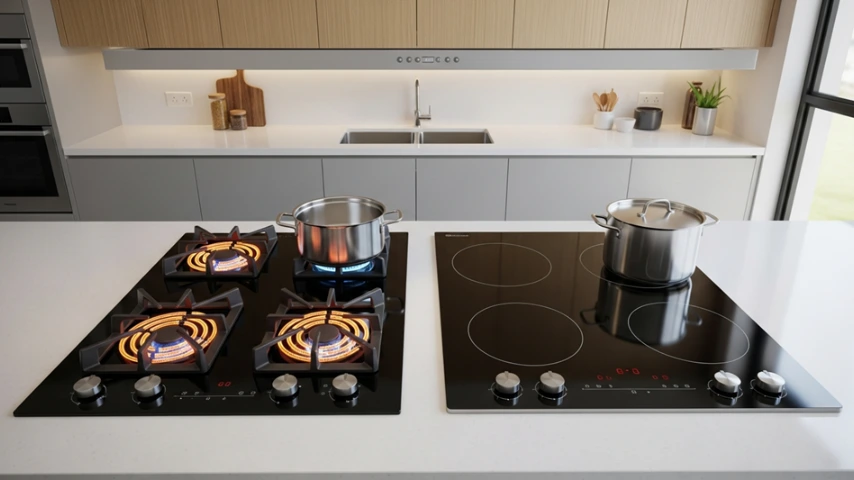
By going through the above mentioned image, it's time to go point by point.
1) Availability and access
PNG is a viable option only if a city gas pipeline is within close vicinity of your location in Indian cities, especially when it comes to remote areas. Even then, you will need permission from the natural gas regulatory board, NOC, and have to wait for time to be allowed inside your building in the long run.
LPG cylinders are available virtually everywhere. Even if there is no city gas pipeline in the vicinity, major users of LPG can also get access to bulk supplies.
2) Setting Up PNG and LPG - the costs involved
There are quite a lot of things in PNG upfront cost such as getting connected charges, installation of a meter, indoor pipeline work, various compliance checks, and sometimes society-level approvals in metro cities, especially when considering modern PNG systems and the electricity connection related to PNG pricing.
Also, the thing that people tend to forget is that your stove may need burner or nozzle changes to run properly with PNG.
At home LPG set up is simple, only a regulator, hose, and basic fitting are involved. However, the ongoing "cost" is operational. Refills need to be ordered and you have to get your stock managed.
For businesses, LPG gets bigger, manifold systems, bulk tanks, safety clearances, and proper sitting.
Additionally, LPG hoses and regulators are not 'install and forget forever' solutions. They need periodic replacement.
3) What Your Bills Look like - PNG vs LPG
PNG monthly bills come only from the meter reading of the PNG connection. This makes it pretty predictable, similar to electricity or water billing.
There is a jumpy nature to LPG billing. Sometimes you might buy two cylinders, sometimes one, sometimes and none. Even if the total yearly spend should be roughly the same, due to recently rising LPG prices, it may feel irregular.
Both can be subjected to price changes. But what really distinguishes them is the billing rhythm and continuous metering with PNG.
Here is a practical method:
Calculate your monthly usage
See local PNG tariff and LPG refill cost
Compare the yearly totals, not just the one bill.
4) Convenience and Ease of Use
That's usually the biggest advantage of PNG for home cooks, if and when it is available in urban areas, as it not only produces significantly lower levels of carbon dioxide compared to LPG but also produces fewer pollutants and reduces the risk of fire.
PNG benefits:
No cylinder booking
No waiting for delivery
No sudden "gas finished" moment during cooking
Cleaner working environment in a busy kitchen
LPG benefits:
You have to keep an eye on the level of the cylinder.
Almost every household solves this problem with the help of a second heavy cylinder so that even the change is immediate. A manifold is regularly used by businesses so that usage of LPG can be continuous. You can always run into downtime except for planning for it, especially for temporary setups.
The majority of households have two cylinders so that there is an immediate swap. Commercial establishments rely on manifolds for continuous supply of LPG.
5) Safety - The Basics
Depending on your cooking–LPG gas and PNG stoves powered by cooking gas can both be somewhat shifty if you do not have them set up correctly or improperly maintained that are not going to aid in your overall cooking adventures. It has little to do with what type of fuel you're burning and more to do with placement.
The primary risks in the case of LPG are linked to use and storage. In PNG, the existing risks are primarily from indoor leakages and appliance faults.
So you can be using LPG or PNG and should have it correctly fitted and serviced, this means hiring a competent fitter, checking for leaks regularly, making the kitchen well ventilated along with having an easily-accessible shut-off valve.
The reason why is that this is also "odorized" so you can smell if there is a leak and in the kitchen you get one detector. And businesses should consider that as a minimum, not a nice to have.
LPG vs PNG for homes: which one should you choose?
Whether it's LPG or PNG for your kitchen, it all comes down to where you live and what you are really doing in there.
Pick PNG If:
You are a fan of low hassle: There is no need to worry about refills, tracking cylinder levels, or waiting around for the delivery folk, especially considering the energy efficiency of modern cooking methods.
Space is tight in the kitchen: It gets rid of those clunky old cylinders, freeing up room for more of the stuff you actually need.
Safety is top of your list: Methane is lighter than air, so if there is ever an accident, the gas just floats away on the breeze - that helps prevent any nasty explosions.
You want clear bills: You only pay for what you use, and that's recorded by a meter so you can see exactly how much you are paying for.
Pick LPG If:
Your area is not hooked up to the city gas supply: If you live in an area where the gas pipes don't reach that far, LPG is your best bet.
You don't use it that much: If the place is empty for long periods or you just use it for occasional cooking with cooking fuel in rural areas, then having LPG cylinders on hand is not such a problem, especially when considering alternatives like induction cooktops.
LPG vs PNG – Which is better for businesses?
For places that rely heavily on their kitchens, like restaurants and hotels, the right choice can make all the difference to the bottom line.
Why PNG Wins for Most Businesses:
You can keep on going: If your gas runs out during a busy shift amidst busy schedules, that's a disaster; with PNG, the fuel just keeps flowing.
Less hassle with storage: Storing all those big LPG cylinders can be a real headache, especially when it comes to safety regulations, PNG just makes it all much easier.
Fewer lost hours: Your staff doesn’t have to waste their time moving heavy cylinders around, and you are less likely to lose gas to theft.
Why LPG Still Has a Part to Play:
It's the better choice for really heavy use: If you are in an industry that needs intense heat and has reliable pipeline infrastructure for household cooking, then LPG is often the way to go - it just has more 'oomph' in it, but consider the fire risk associated with using LPG.
Portability is a real bonus: If you are running a food truck, catering business or some kind of mobile operation, then being able to just move your gear around while taking environmental considerations into account, along with the png availability and lpg availability in your area, is a big advantage.
Bottom Line — RightCliq’s Take on LPG vs PNG
The LPG vs PNG is a decision that is based on availability, usage pattern, practicality, actual consumption, and the impact on the monthly budget, not opinions. Wherever possible and convenient, PNG often prevails with regard to convenience and continuous supply, particularly for homes that are using electricity on a regular basis or for large enterprises with high power consumption in the long term. When PNG is not an option, or portability or speedy setup is essential, LPG prevails in terms of reach, flex, and usability.
The primary decision-making variables are simple: CGD availability, usage, monetary budgets and demands for continuous operations.
Next step, do the Today: Check coverage and tariff with your local PNG provider, estimate real usage. Then, there's simply no question about it. If you require a gas pipeline fitting, PNG conversion or leakage repair, it's high time to book an appointment with RightCliq today for fast, compliant, and reliable service.
FAQs:
1. Which is cheaper for daily use, LPG or PNG?
When commonly used, PNG is generally more cost-effective due to their metered billing rates and can save around ₹300 - ₹400 per month over LPG.
2. What is the main difference between LPG vs PNG?
LPG is kept in cylinders and PNG is piped directly to homes and businesses.
3. Which is better for houses, PNG or LPG?
PNG is inherently safer as methane is lighter than air and spreads rapidly if any leakage occurs.
4. Which is better for businesses, LPG or PNG?
PNG size is more suitable for most businesses as there is a constant supply of gas through to customers without having to wait for cylinder replacement.